Best Braille Labelled Household Essentials
Table of Contents
- Why Use Braille Labelled Household Items
- Bathroom and Personal Care Essentials with Braille Labels
- Kitchen and Cleaning Products with Tactile Identification
- Tactile products for the home and office
- Braille Label Makers DIY v’s commercial labelling
- Pet Care Products with Accessible Labelling
- Building a Sustainable, Accessible Home Environment
- Frequently Asked Questions
Last Updated: September 20, 2026
Why Use Braille Labelled Household Items
Creating an accessible home means more than installing grab bars. It means making everyday items identifiable without sight. Braille labelled household essentials transform independence by letting people with vision impairment navigate their own spaces without asking for help each time they reach for a product.

Braille labelled household essentials allow people to manage medications, identify cleaning products, and organise kitchens independently, the difference between autonomy and dependence.
Accessible labelling also reduces household errors: mixing up cleaning products or medications happens quickly without tactile identification, creating safety risks for everyone.
Bathroom and Personal Care Essentials with Braille Labels
Your bathroom contains some of the most critical products in your home. Getting these right matters for safety and daily confidence. These products are also great for hotels, Airbnb properties, restaurants, aged care and other care providers and Allied Health services.
Body Wash, Hand Wash, and Lotion
Braille labelling on daily personal care products lets you instantly distinguish body wash from hand wash without hesitation.
Barkly Basics offers braille labelled body wash in Mandarin & Lime ($21.60) and hand wash in Nectarine & Mint ($21.80), both made in Melbourne. The hand and body lotion in the same Nectarine & Mint scent costs $21.80. These products combine tactile identification with quality ingredients.

Hair Care Products
Hair care requires distinguishing between shampoo and conditioner reliably; braille labelling solves this completely.
Barkly Basics produces braille hair wash (shampoo) at $23.60 and hair softener (conditioner) at $23.60, both with Orange Blossom & Cedarwood fragrance and made in Melbourne.
Kitchen and Cleaning Products with Tactile Identification
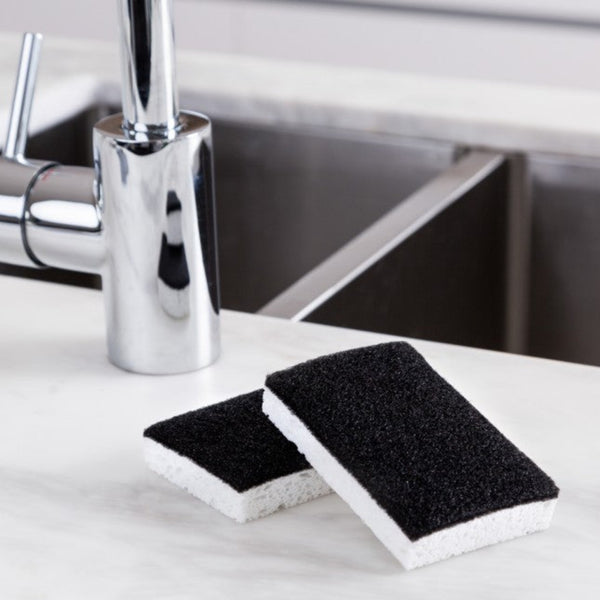
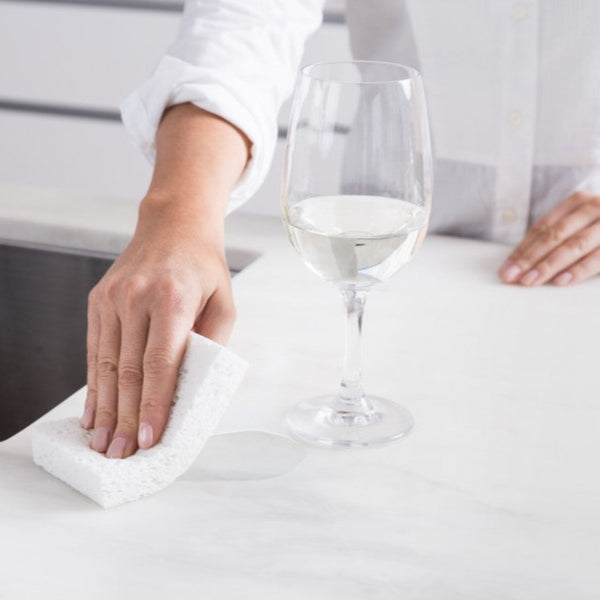
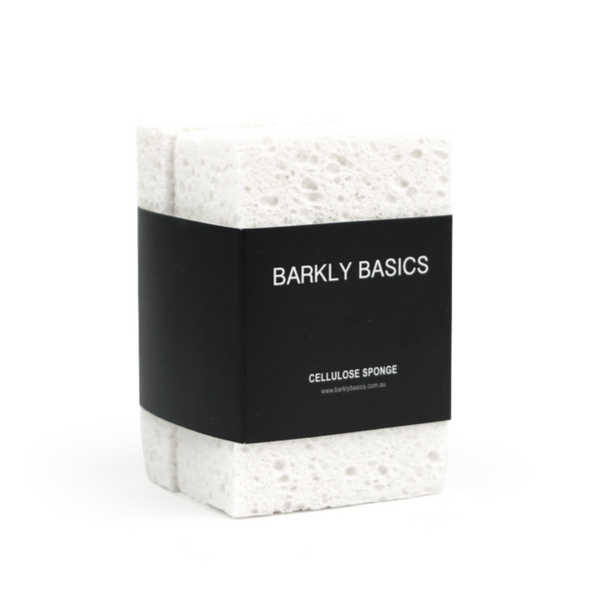
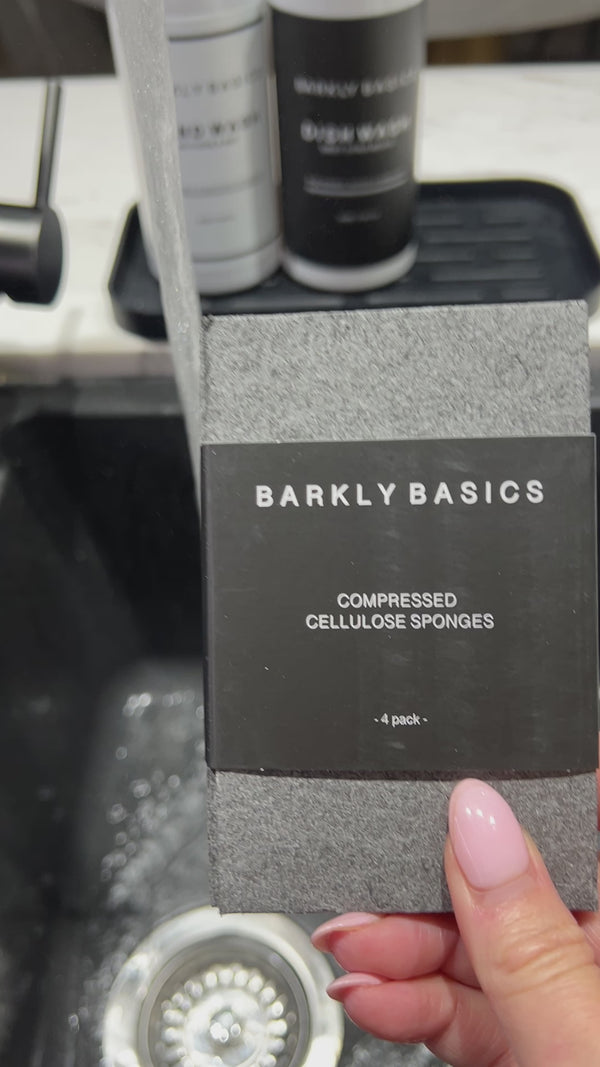
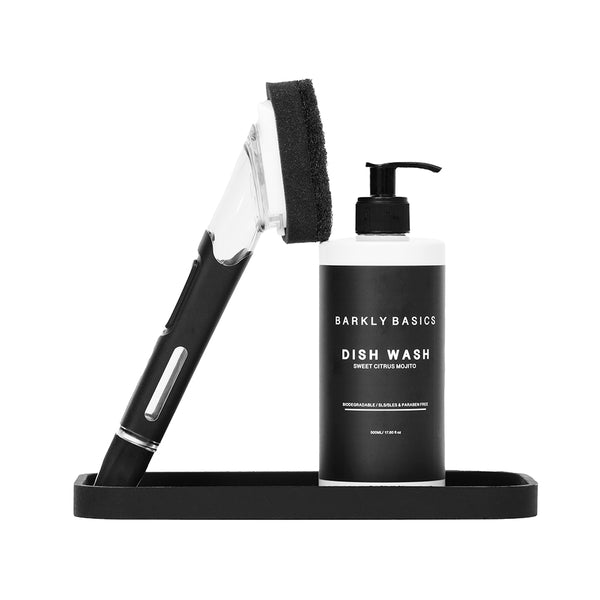
Barkly Basics braille dish wash ($18.95) in Sweet Citrus Mojito scent provides tactile labelling for one of the most-used products in the home. Made in Melbourne, it integrates braille identification into a functional cleaning product. These products are also great for hotels, Airbnb properties, restaurants, aged care and other care providers and Allied Health services.

Kitchen and cleaning products benefit from colour-coding combined with braille labels, creating multiple sensory cues.
Tactile products for the home and office
Building an accessible home or workspace requires an understanding of how residents/employees live and work the areas they frequent.
Applying Braille Labels for Maximum Durability
Braille labels must stick reliably or they become useless. The adhesive needs to withstand moisture, temperature changes, and regular handling without peeling or degrading. Hence why the Barkly Basics sister brand Common Vision Co. has the braille integrated within the label itself.
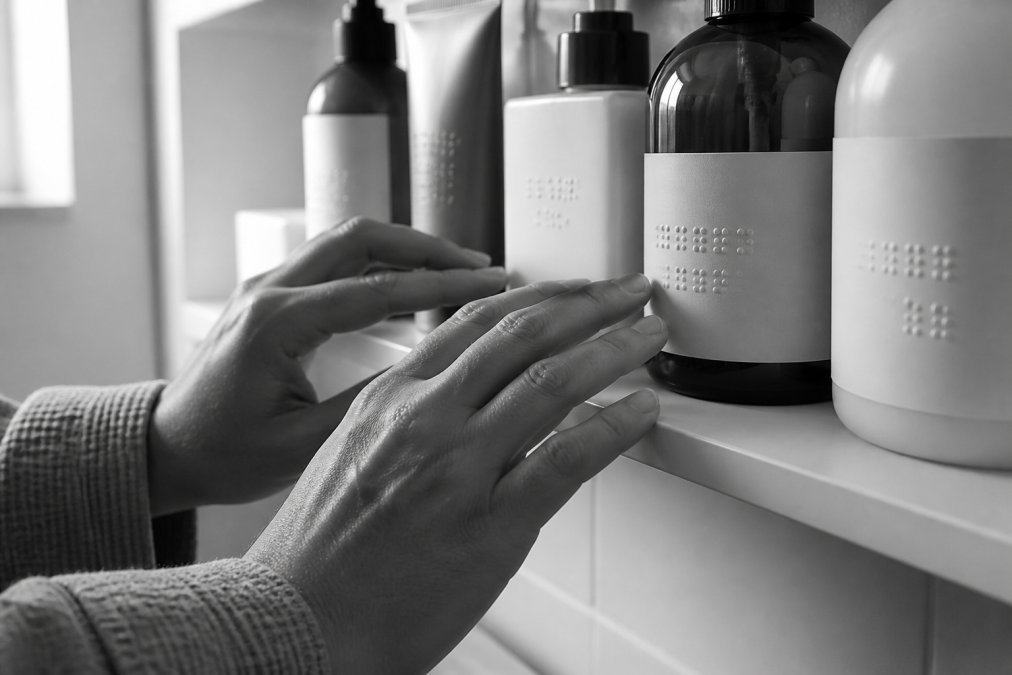
Diagram demonstrating tactile labeling techniques for organising braille labelled household essentials on shelves.
Replacement
Create a maintenance schedule: check bathroom labels every 3 months, kitchen labels every 2 months, and other items every 6 months to prevent labels failing unexpectedly.
Replace braille labelled bottles after 6-12 months even if product remains.
Braille Label Makers DIY v’s commercial labelling
Choosing between commercial labels, DIY tools, and smart-home integration depends on your budget, technical comfort, and maintenance capacity.
Commercial Embossed Labels vs. DIY Tools
Commercial embossed braille labels resist moisture and wear better than printed DIY alternatives.
DIY braillers require learning braille and manual effort per label; commercial label makers are more practical for household use.
Pet Care Products with Accessible Labelling
If you have guide dogs or service animals, their care products deserve the same accessibility standard as yours.
Barkly Basics braille dog wash ($25.95) and braille dog leave-in conditioner spray ($17.95) both feature braille labels and are made in Melbourne with all natural ingredients. The dog wash smells like fresh cucumber, and the leave-in conditioner is designed to be used in combination with it.
Pet care products benefit from braille labelling because guide dog handlers often manage multiple products and need to identify them quickly. The braille label ensures you're using the right product on your dog.
The reusable and refillable bottle design means you're not constantly replacing packaging. This reduces waste while maintaining the braille label system long-term.
Building a Sustainable, Accessible Home Environment
True accessibility isn't just about individual products, it's about creating a home or workplace system that works for you long-term.
Start with the products you use most frequently.
Frequently Asked Questions
What are the most essential household items to label with braille?
Bathroom and personal care products are priority items: body wash, hand wash, shampoo, conditioner, and lotion. Kitchen essentials follow: dish wash and food storage containers. Medication bottles require urgent labeling for safety. Pet care products, cleaning supplies, and items stored in similar containers benefit from braille labels to prevent mix-ups. Prioritise items you use daily or those that could pose safety risks if misidentified.
How do braille labels support independent living for people with vision impairment?
Braille labelled household items enable individuals to manage personal hygiene, kitchen tasks, and household routines autonomously. Tactile markers provide consistent, reliable identification, allowing people with low vision or blindness to maintain control over their environment and make informed choices about what they use.
What's the difference between tactile markers and braille labels?
Braille labels use standardised raised dots representing letters and numbers, readable by anyone trained in braille literacy. Tactile markers are broader sensory cues like bump dots, textured stickers, or embossed patterns that indicate categories or differences without requiring braille knowledge. We at Barkly Basics and Common Vision Co. combine both: braille for detailed information and tactile markers for quick identification. Braille offers precision; tactile markers offer speed and accessibility to those unfamiliar with braille.
Are there eco-friendly options for braille labelled household products?
Yes. Braille labelled products made from sustainable, compostable materials and packaged in plastic-free containers combine accessibility with environmental responsibility. These items support independent living whilst reducing household waste. Barkly Basics and Common Vision Co offer eco-conscious braille-labelled personal care and cleaning essentials in refillable bottles, minimising single-use packaging.