Minimalist Home Aesthetic for Small Spaces
Table of Contents
- Why a Minimalist Home Aesthetic Works Harder in Small Spaces
- How to Declutter for a Minimalist Aesthetic Without Losing Your Mind
- Minimalist Storage Solutions for Small Apartments That Disappear Into the Room
- ADHD-Friendly Home Organisation Tips That Survive a Bad Week
- Keeping It Minimal: Habits, Maintenance and the Psychology Behind It
- Frequently Asked Questions
Last Updated: September 11, 2026
Why a Minimalist Home Aesthetic Works Harder in Small Spaces
A minimalist home aesthetic is a design approach built on reducing visual clutter, limiting your colour palette, and giving every object a purpose, and it matters most in small spaces because every item you keep is fighting for the same limited floor and wall area. This guide from Barkly Basics covers how to apply that approach in a compact apartment, from decluttering to storage to the habits that keep it going.
The core argument is simple: in a small home, minimalism is not a style preference. It is a spatial strategy. Every surface you clear buys back visual room, and every object you remove makes the remaining ones easier to see and use.
Australian Institute of Health and Welfare on housing and household size notes that household sizes have been shrinking for decades, which means more people are living in smaller dwellings than the housing stock was designed for. That makes intentional living a practical necessity rather than an aesthetic trend.
Below, we break down decluttering, storage, colour, budget sourcing and the maintenance habits that hold it all together.
How to Declutter for a Minimalist Aesthetic Without Losing Your Mind
Decluttering is the process of removing items you do not use, need or love so the objects that remain have room to breathe. The goal is not an empty house. The goal is a home where you can find what you need without effort.
Start with one drawer, not one room. A whole room is overwhelming; a drawer takes ten minutes and gives you a win you can build on.
The One-In-One-Out Rule That Actually Sticks
The one-in-one-out rule means every new item that enters your home replaces one that leaves. It works because it forces a decision at the moment of acquisition, when you are already thinking about the object.
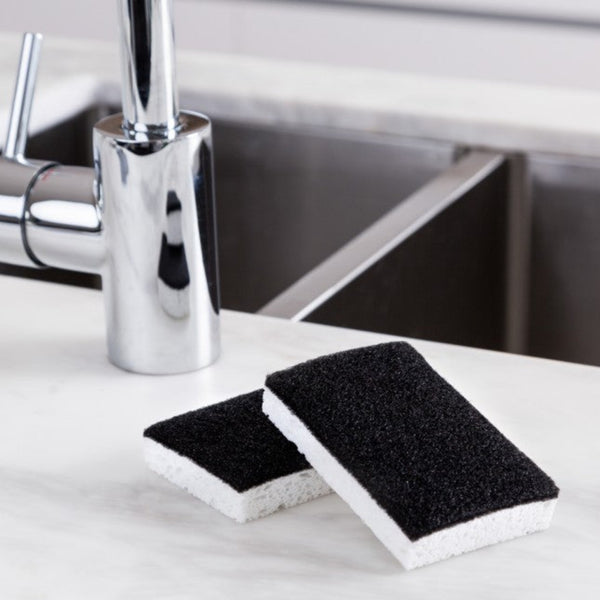
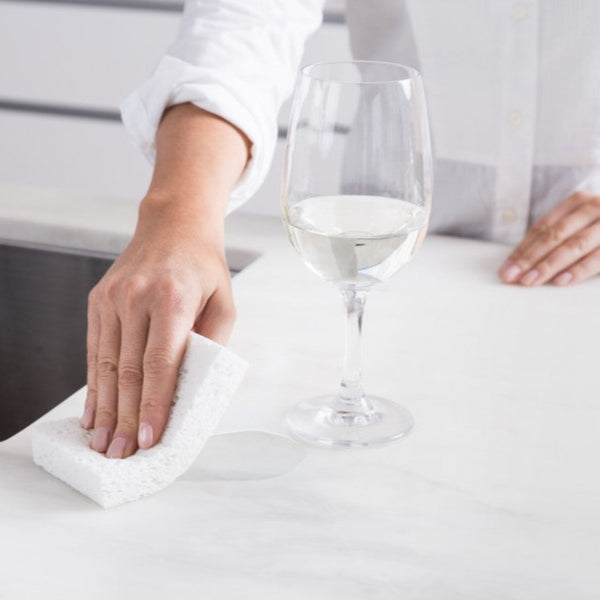
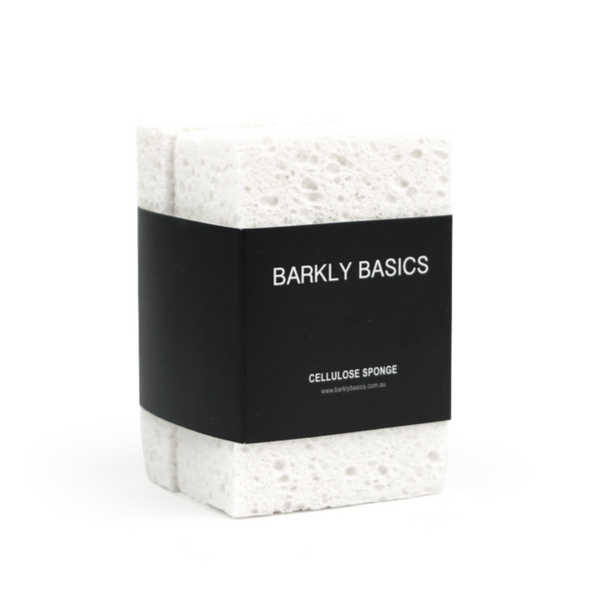
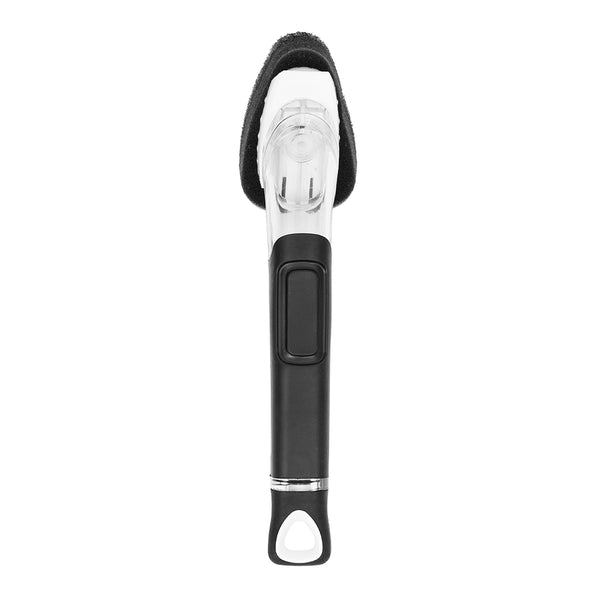
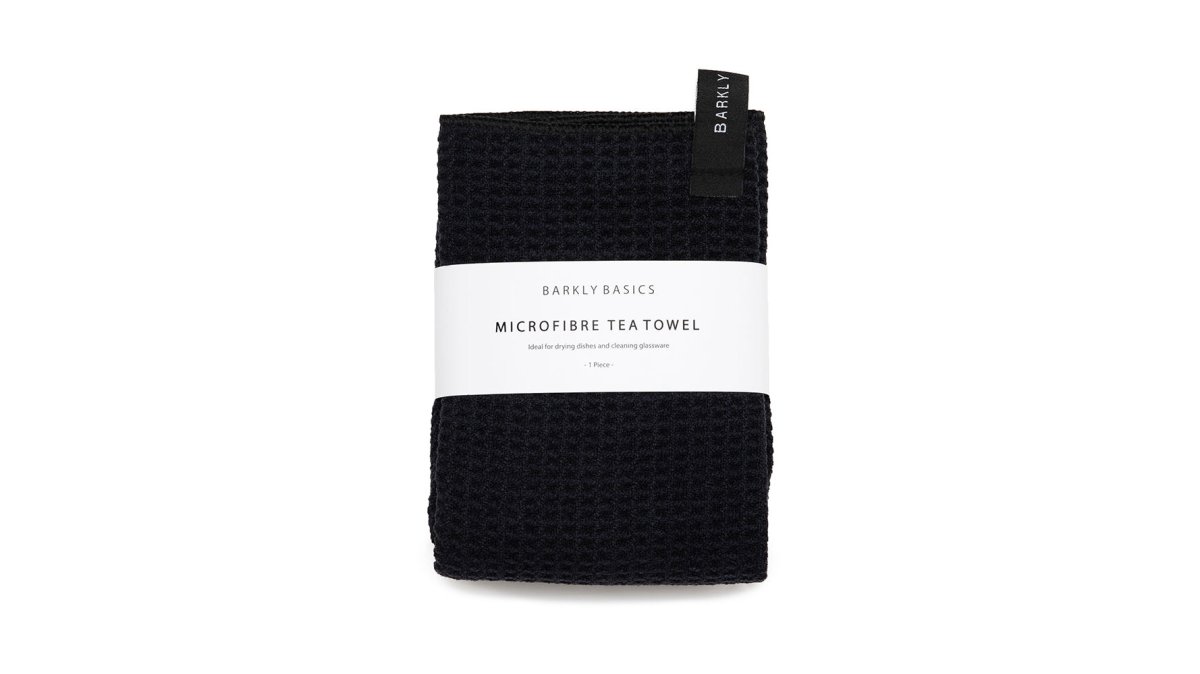
A common mistake is applying the rule only to large items. It works best on the small things that quietly accumulate: tea towels, cleaning cloths, storage containers, kitchen sponges.
What to Do With the 'Maybe' Pile
The 'maybe' pile is the hardest part of decluttering, and the fix is time, not willpower. Box the maybes, write the date on the lid, and store it out of sight for three months.
If you have not opened the box by then, you did not need what is inside. Donate it without opening it. This single habit removes the guilt from decluttering because the decision is made by your behaviour, not your feelings.
Minimalist Storage Solutions for Small Apartments That Disappear Into the Room
Minimalist storage solutions for small apartments work when they blend into the architecture rather than announce themselves. The best storage is the kind you stop noticing once it is in place.
Vertical Storage and Hidden Storage That Earn Their Space
Vertical storage uses wall height instead of floor area, which matters when floor space is the scarce resource. Floating shelves, wall-mounted hooks and tall narrow cabinets all convert dead wall into working storage.
Hidden storage takes the idea further by removing visual weight entirely. A bench seat with a lift-up lid, a bed with drawers underneath, or a slim cabinet that reads as a wall panel all keep the room calm while holding real volume.
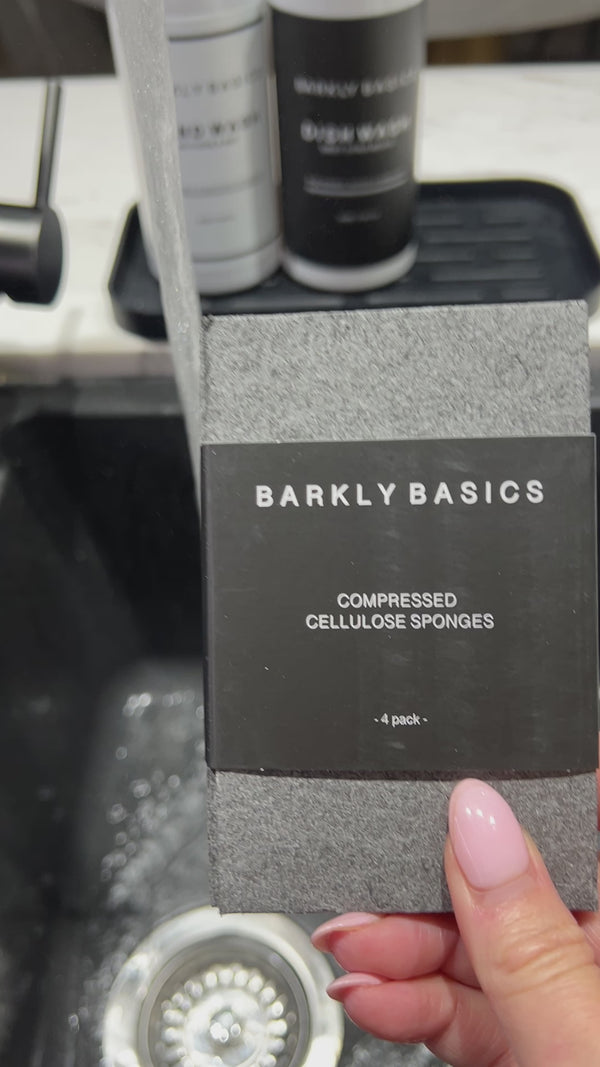
One practical example: a simple silicone decor tray keeps your dish and hand wash, sponges and cloths corralled on the counter so the surface still reads as clear. Barkly Basics' Black Silicone Decor Tray is designed for exactly this, protecting stone and marble surfaces while containing the daily-use items that would otherwise scatter across the bench.

ADHD-Friendly Home Organisation Tips That Survive a Bad Week
ADHD-friendly home organisation tips are built around one principle: systems must survive the weeks when you have no energy to maintain them. A system that only works on a good day is not a system.
Why Visible Systems Beat Hidden Ones for ADHD Brains
Visible systems beat hidden ones because out of sight genuinely is out of mind. A closed cupboard is a black hole; an open shelf with three items on it is a reminder and a boundary at the same time.
This is where most minimalist advice gets it wrong for ADHD households. The classic "hide everything away" approach creates a home that looks calm but functions badly, because nothing is where your brain expects to find it.
The fix is a hybrid: keep the few items you use daily visible and contained, and hide the rest. A tray, a basket or a hook does the containing. This is the thinking behind Barkly Basics' range of ADHD-friendly household products, which are designed to reduce decisions rather than add them.
Budget-Friendly and Sustainable Ways to Build Your Minimalist Home
Building a minimalist home does not require a renovation budget, and it does not require buying new. The cheapest and lowest-waste path is subtraction first, sourcing second, purchase last.
Start by removing what you already own. Most small homes are already holding enough furniture, storage and textiles to furnish a minimalist room, the problem is that the pieces are buried under things that do not belong. Empty a room down to its fixed elements, live in it for a week, and only then decide what genuinely needs to come back.
The Three-Question Test Before Any Purchase
Sustainable sourcing in practice means asking three questions before anything comes through the door:
- 1. Will this last more than two years of normal use?
- 2. Can it be refilled, repaired, reused or composted at end of life?
- 3. Does it replace two or more things I already own?
If the answer to all three is no, the item is not minimalist, it is just new clutter with better marketing.
Reading End-of-Life Claims Honestly
Australian Government guidance on recycling and waste explains how kerbside systems handle different materials, which is worth checking before you assume a "compostable" label means it will break down in your bin. Compostable packaging typically needs the sustained heat and turnover of commercial composting to break down reliably; in a home compost bin or a sealed kitchen caddy it may behave much like ordinary plastic (the EPA). Soft plastics, meanwhile, generally cannot go in kerbside recycling and need a dedicated drop-off point.
Keeping It Minimal: Habits, Maintenance and the Psychology Behind It
Maintenance is where most minimalist homes fail. The psychology is straightforward: clutter returns because decisions accumulate faster than you clear them.
The habit that holds up best is a two-minute reset. Once a day, set a timer and return everything to its place. Two minutes daily prevents the three-hour weekend clear-out.
Beyond tidiness, a clutter-free home reduces the number of small decisions you make each day, which matters most for people managing ADHD, low vision or fatigue. When your cleaning cloths live in one known spot and your counter holds only what you use, you stop searching and start doing.
A minimalist home is not a one-off project; it is a set of small decisions repeated until they become automatic, and the hardest part is sustaining them through a bad week. Barkly Basics designs household essentials with that reality in mind, from ADHD-friendly products that reduce daily decisions to vision-friendly and braille-labelled items that make routines easier to follow, all in a calming black and white palette made from compostable, plastic-free materials, with a portion of proceeds supporting the Silent Sight Foundation. Get started with Barkly Basics and build a home that stays calm long after the decluttering is done.
Frequently Asked Questions
What is the 3-5-7 rule in decorating?
The 3-5-7 rule is a styling guideline for arranging accessories in odd-numbered groups: three items on a small surface, five on a medium one, seven on a larger display. Odd numbers create visual balance because the eye cannot pair them symmetrically. In a small space, apply it to a single shelf or tray rather than a whole room. A minimalist home benefits because the rule limits how much you display at once, keeping surfaces clear and each piece intentional.
How does a minimalist aesthetic help with ADHD-friendly home organisation?
Fewer objects mean fewer decisions. When a surface holds three things instead of thirty, there is nothing to sort, prioritise or remember. ADHD-friendly home organisation tips often focus on reducing visual noise because clutter competes for attention. A minimalist home aesthetic removes that competition. Pair it with visible, labelled storage so items have one obvious home, and tidying becomes a single action rather than a project you keep postponing.
What are the best storage solutions for minimalist small homes?
Look for storage that does double duty: a bench with internal compartments, a bed frame with drawers, floating shelves that use wall height instead of floor area. Vertical storage frees up the footprint you walk on, which matters most in small apartments. Choose one material and one colour across all units so they recede rather than compete. Hidden storage works well for seasonal items, while open storage suits things you use daily and need to see.
Is minimalism still popular in 2026?
Minimalism has shifted from a strict aesthetic to a practical approach. The current version is warmer: neutral colour palettes, raw materials, textural contrast and a few curated decor pieces rather than empty rooms. It remains popular because small apartments and rising costs make intentional living practical, not just stylish. The focus has moved toward maintenance and habit-building, so the look lasts beyond the first decluttering weekend.
How can I make a small room look minimalist and spacious?
Start with layout optimisation: pull furniture away from walls where you can, and keep walkways clear. Use mirrors to add depth perception, and choose a monochromatic or neutral colour palette so walls and furniture blend. Maximise natural light by keeping windowsills bare. Multi-functional furniture reduces the number of objects in the room. Add one or two textural pieces, such as a waffle-weave tea towel or a silicone tray, so the space feels calm rather than clinical.
How do I stop my small space from sliding back into clutter?
Build maintenance into your routine rather than treating it as a one-off event. A five-minute reset each evening, where everything returns to its assigned spot, prevents buildup. Keep a donation bag in a cupboard so outgoing items leave immediately. For ADHD households, visible systems work better than hidden ones because out-of-sight genuinely means out-of-mind. Review your surfaces monthly and remove anything that has not been used.
Is a black and white home aesthetic too clinical for a small space?
It depends on what you pair it with. Black and white gives clean lines and strong visual contrast, which reads as calm when the palette is consistent. To avoid a clinical feel, add warm textures: timber, linen, woven baskets, silicone trays in grey or black. Vary finishes rather than colours. A monochromatic base with textural contrast keeps a small room serene and still feels lived-in.