Eco Friendly Plastic Free Cleaning Supplies: 2026 Guide
Table of Contents
- Quick Comparison: Plastic Free Cleaning Supplies at a Glance
- Compostable Sponges and Cloths That Actually Break Down
- Refillable Cleaning Products: Cutting Single-Use Plastic by 70%
- Non-Toxic Household Cleaners: What to Check on the Label
- Zero Waste Cleaning Tips for Everyday Routines
- DIY vs Store-Bought: Cost, Disposal and Allergy Considerations
- Which Supplies Should You Start With?
- Frequently Asked Questions
Last Updated: September 16, 2026
Quick Comparison: Plastic Free Cleaning Supplies at a Glance
This guide from Barkly Basics covers what actually breaks down and what refills genuinely cut waste. Beyond indoor surfaces, maintaining outdoor spaces requires similar scrutiny to ensure that any eco friendly grass cleaner used in the garden remains as safe for the soil as the ingredients inside your kitchen cupboards.
Here is the short version before we get into the detail.
Product |
Price |
Material |
Best For |
|---|---|---|---|
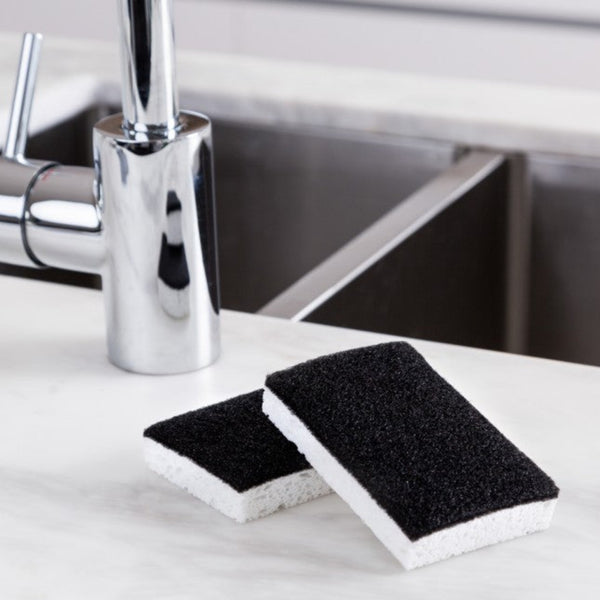
Black Compressed Cellulose Sponge (4 pack) |
$8.80 |
Cotton and wood pulp |
Everyday kitchen wiping |
White Cellulose Sponge (3 pack) |
$8.80 |
Wood pulp and cotton |
Dye-free, non-scratch cleaning |
Swedish Dish Cloth (2 pack) |
$11.80 |
Cellulose and cotton |
Wet spills and benches |
Black Microfibre Cloth (2 pack) |
$14.95 |
Korean microfibre, 330GSM |
Dry dusting and polishing |
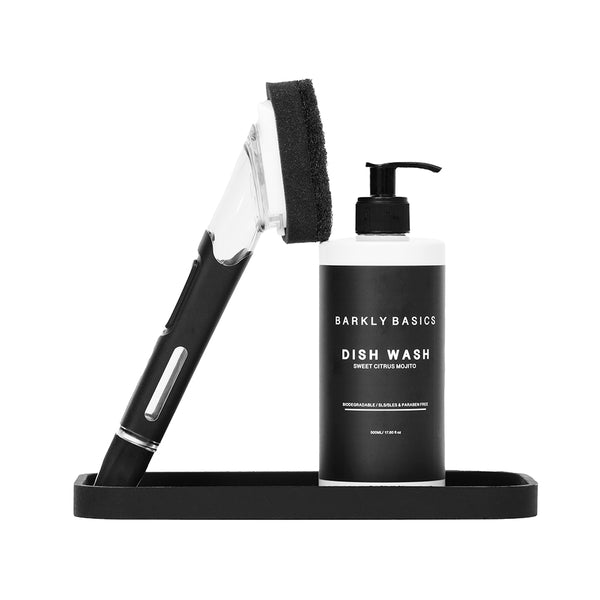
Dish Wash (500mL) |
$16.95 |
Coconut-derived surfactants |
Refillable sink-side washing |
Dish Wash Refill (1L) |
$23.60 |
Same formula, pouch format |
Cutting single-use plastic |
The pattern is simple: buy the durable item once, then refill or replace only the part that wears out.

Compostable Sponges and Cloths That Actually Break Down
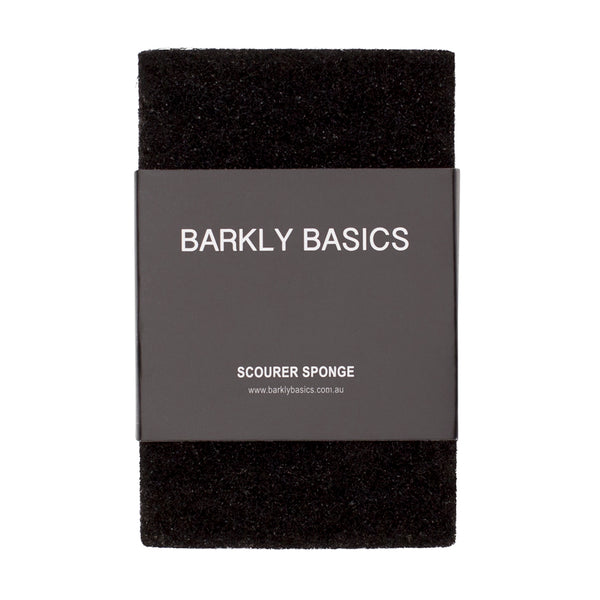
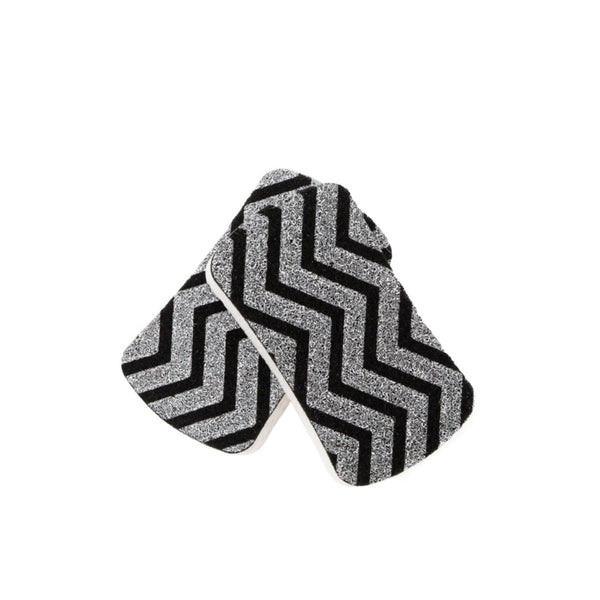
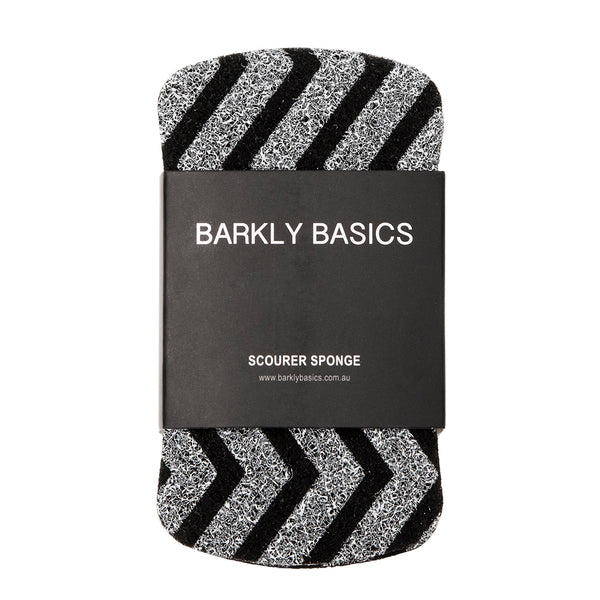
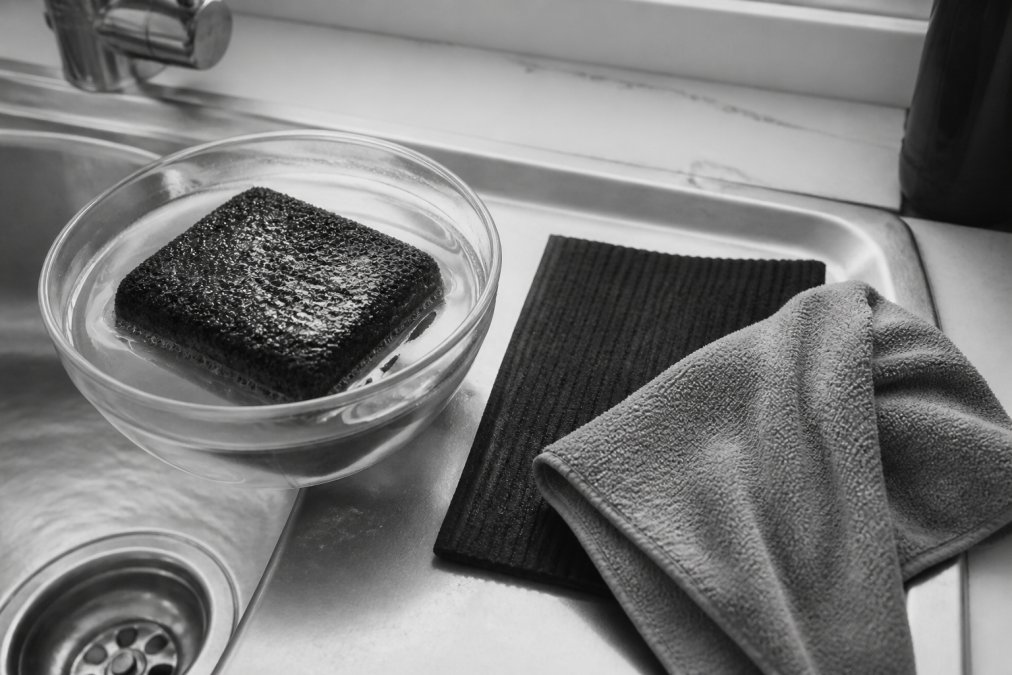
Compostable cleaning tools are items made from plant fibres that microorganisms can break down into organic matter. Cellulose, cotton and untreated wood pulp qualify. PET sourer sponges although don’t decompose in soil, they can be recycled.
Cellulose Sponges: Compressed, Dye-Free and Non-Scratch
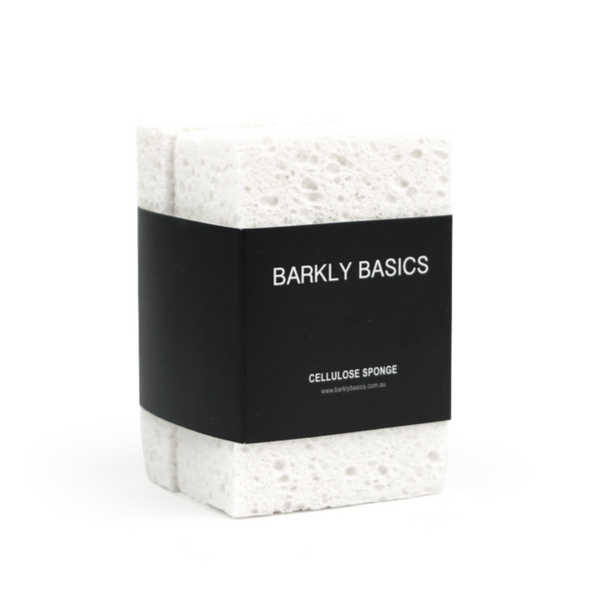
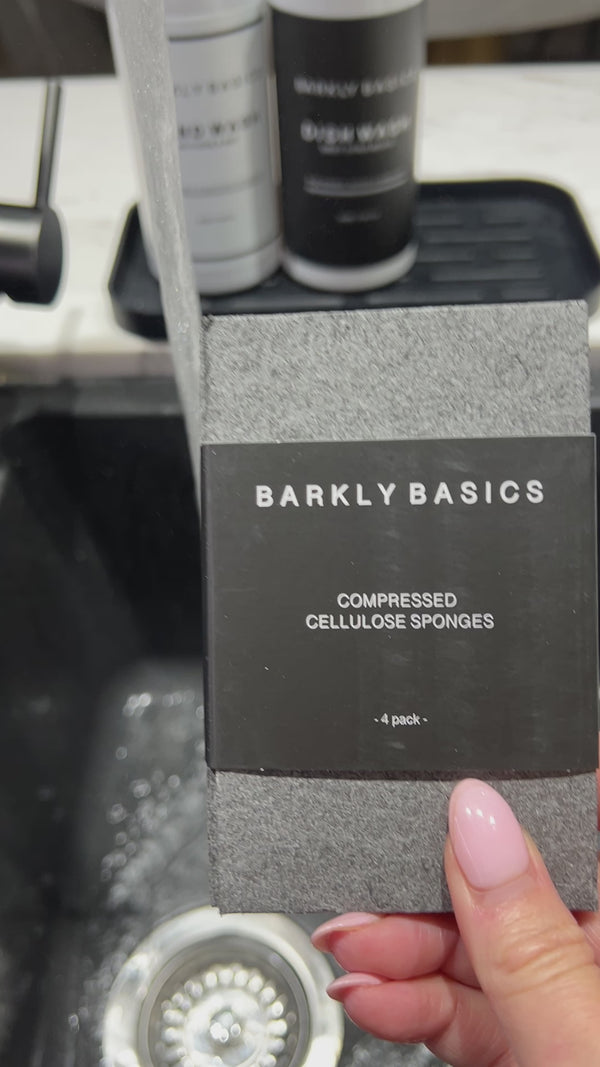
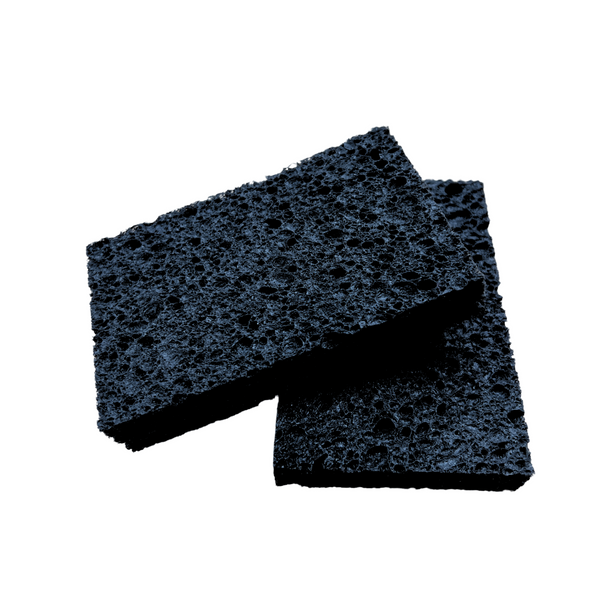
Cellulose sponges are the workhorse of a plastic-free kitchen. They absorb well, resist staining if you rinse them promptly, and stay soft enough for non-stick pans.
Swedish Dishcloths and Microfibre: Reusable Options for Wet and Dry Jobs
Swedish dishcloths handle wet work. The Barkly Basics cloth absorbs up to ten times its body weight in liquid, is machine washable at any temperature, and biodegrades in garden soil in 30 to 40 days. A two-pack $11.80.
Refillable Cleaning Products: Cutting Single-Use Plastic by 70%
Refillable cleaning products are systems where you keep one durable bottle and top it up from a larger container. Buying a refill pouch instead of a new bottle reduces plastic use by roughly 70%, because you are replacing the liquid, not the packaging.
Refill Pouches, Cubes and Bulk Drums Compared
The 500mL Dish Wash bottle costs $16.95 and is built to last. From there, three refill formats scale with your household:

- 1L pouch ($23.60): side sprout for easy pouring, recyclable, best for singles and couples
- 5L cube ($89.00): includes a pump, and you can post it back to be refilled for 10% off your next order
- 10L drum ($180.00): refills a standard bottle about 20 times, suited to large families, Airbnbs and offices
Non-Toxic Household Cleaners: What to Check on the Label
Non-toxic household cleaners avoid ingredients linked to skin irritation and respiratory sensitivity. The fastest way to check is to read the ingredient list and ti use the YUKA App.
Three things to look for:
- Surfactants: coconut-derived soaping agents (sodium coco-sulphate, coco-glucoside) are gentler than petroleum-based alternatives
- Fragrance: "phthalate-free fragrance"
- Free-from claims: SLS, SLES and paraben free matters if anyone in the house has eczema or dermatitis especially.
Zero Waste Cleaning Tips for Everyday Routines
Zero waste cleaning tips work best when they remove a decision rather than add one. The goal is a routine simple enough to repeat without thinking. Here are some tips:
- 1. Keep one sponge, one wet cloth and one dry cloth at the sink. Nothing else.
- 2. Rinse sponges under warm water straight after use to stop stains setting, squeeze all the water out to avoid bacteria growth and let them air dry.
- 3. Wash cloths with like colours in cool water, never with fabric softener.
- 4. Refill the bottle the moment it runs low. Barkly Basics subscriptions are a great way to never run out of detergent.
- 5. Compost old sponges and cloths in the garden or compost bin. Most Suburbs in Melbourne have a council compost bin, which us a great help.
DIY vs Store-Bought: Cost, Disposal and Allergy Considerations
DIY cleaning mixes win on cost per use. A vinegar and water spray costs cents to make. What it does not give you is a tested surfactant system that lifts grease, a stable shelf life, or a formula checked for skin sensitivity. Also it takes time and effort to mix your own ingredients.
A Cost-Per-Use Comparison
Most comparisons quote the price of a bottle, which tells you nothing about what a clean actually costs. The useful figure is cost per use, and it changes the answer depending on the job.
- Glass and light surface wiping: a DIY mix of one part white vinegar to three parts water in a reused spray bottle costs a few cents per fill. You still need the cleaning tools such as a microfibre cloth or dishcloth to do the mechanical work.
- Greasy dishes and cookware: Here the surfactant matters. A coconut-derived dish wash lifts oil that vinegar and water leave behind, so you use less product and less hot water per wash. The refillable bottle at $16.95, topped up from the 1L pouch at $23.60, works out cheaper per wash than repeatedly buying fresh bottles, and the 10L drum refills a standard bottle about 20 times for large households.
- Bathrooms and limescale: vinegar is genuinely effective on hard-water deposits because its acid dissolves mineral scale. A pH-balanced dish wash is not a descaler, so this is a job where DIY holds its own, with the caveat that acid can dull or impact sealed stone and some grout, so keep it off marble and natural stone.
Allergy and Sensitivity Considerations
For anyone with asthma, eczema or chemical sensitivity, the printed ingredient list is the deciding factor. A store-bought formula that is SLS, SLES and paraben free, with a phthalate-free fragrance or no fragrance at all, gives you a consistent, disclosed product you can check against your own triggers. DIY gives you control over what goes in, but vinegar fumes can irritate airways, and essential oils, often added to make DIY mixes smell pleasant, are a common trigger for skin and respiratory reactions.
Which Supplies Should You Start With?
Start with three items:
1. A compostable sponge,
- 2. A wet cloth and
- 3. Dish wash that can be refilled.
- That combination replaces the majority of single-use plastic in a typical kitchen without changing how you clean.
Frequently Asked Questions
Are natural cleaning products as effective as traditional chemicals?
For everyday kitchen and bathroom jobs, yes. Coconut-derived surfactants lift grease and food residue from plates, while microfibre cloths remove dust and polish glass without any spray at all. The difference shows up mainly on heavy limescale or mould, where you may need to let a product sit longer or scrub more. Match the product to the job rather than assuming natural means weaker.
How do I transition to a plastic-free cleaning routine without wasting what I already own?
Use up your current bottles first, then replace each item as it runs out rather than buying a whole new set at once. Swap sponges and cloths for compostable or reusable versions when the old ones wear out, and move liquids to refill pouches or bulk containers once your bottle is empty. This keeps the cost spread out and avoids throwing away usable products.
How do I dispose of cleaning product packaging responsibly?
It depends on the material. Compostable sponges and Swedish dish cloths can go into a home compost bin or break down in garden soil within 30 to 40 days. Refill pouches and bulk cubes are recyclable, and some suppliers accept cleaned cubes back for a discount on your next refill. Check whether your council accepts soft plastics before putting pouches in kerbside recycling.
What should I look for on a sustainable cleaning product label?
Look for specific claims. Useful markers include biodegradable, grey-water safe, SLS and SLES free, paraben free, vegan and not tested on animals. Ingredient lists should name what is actually in the bottle, such as coconut oil-based surfactants or glycerin, rather than hiding behind 'fragrance'. A product that lists its ingredients in full is usually more trustworthy than one that only says 'eco'. Use the YUKA App for confirmation.
Are refillable cleaning products worth the higher upfront cost?
They usually work out cheaper per litre over time. A 5 litre refill cube at $89.00 works out to $17.80 per litre, or $8.90 per 500mL, compared with $16.95 for a single 500mL bottle. The refill pouch option also cuts plastic use by about 70% because you keep reusing the same bottle. The saving grows the longer you stay with the system.